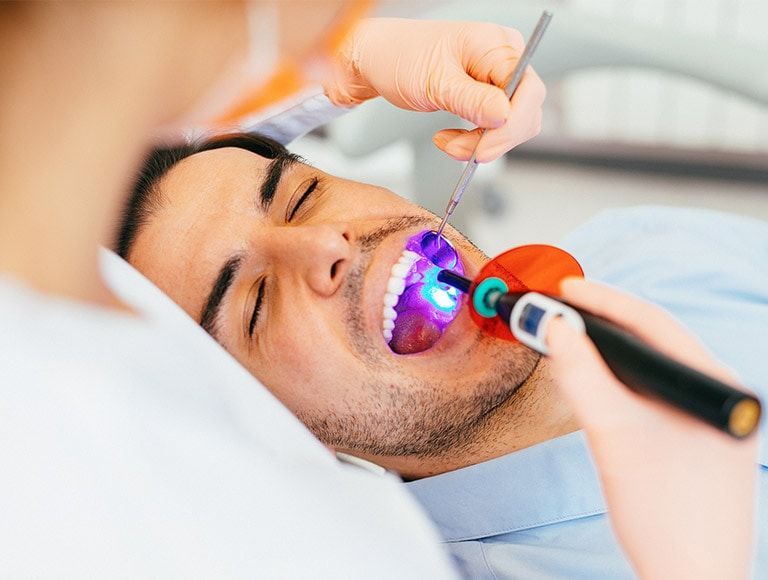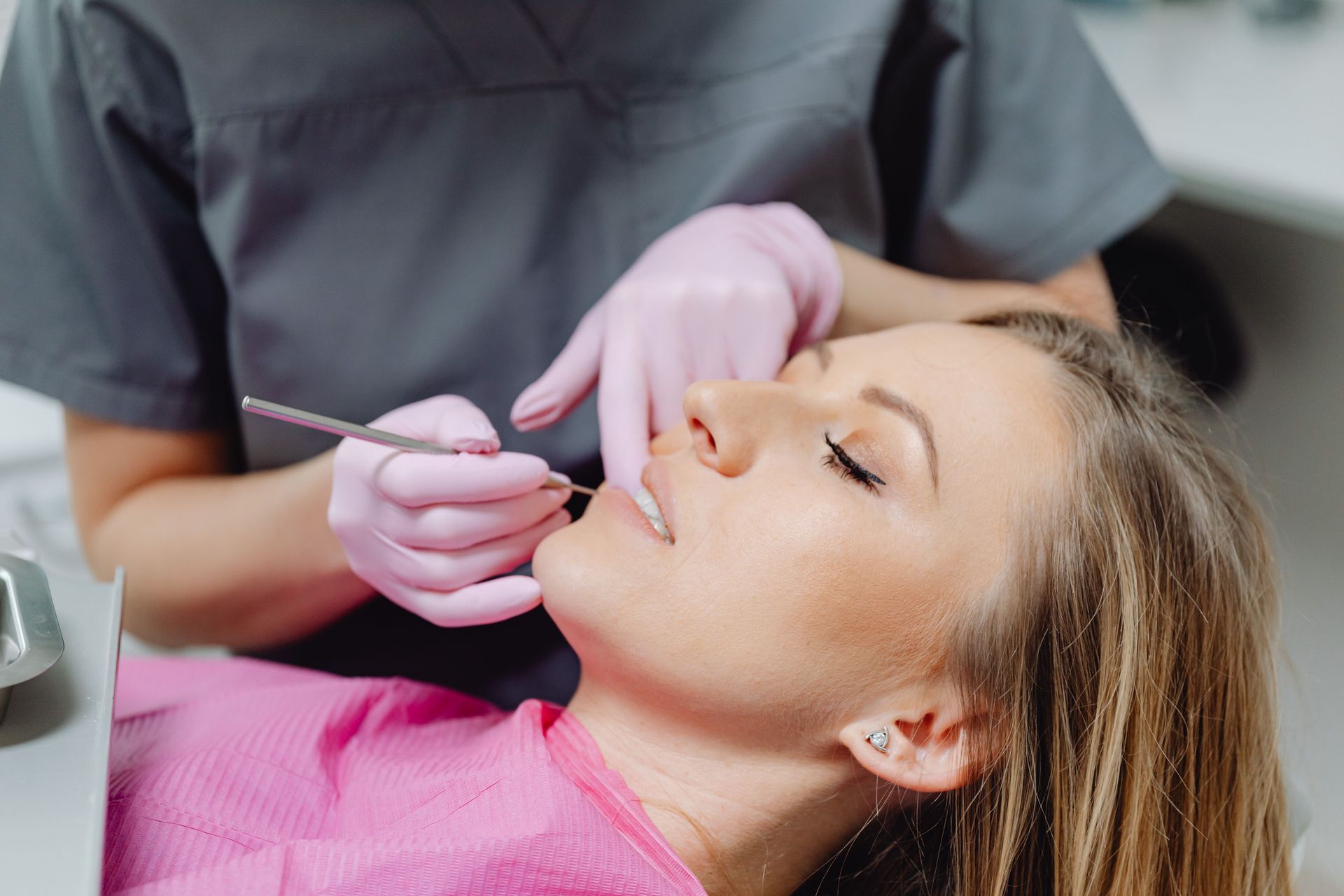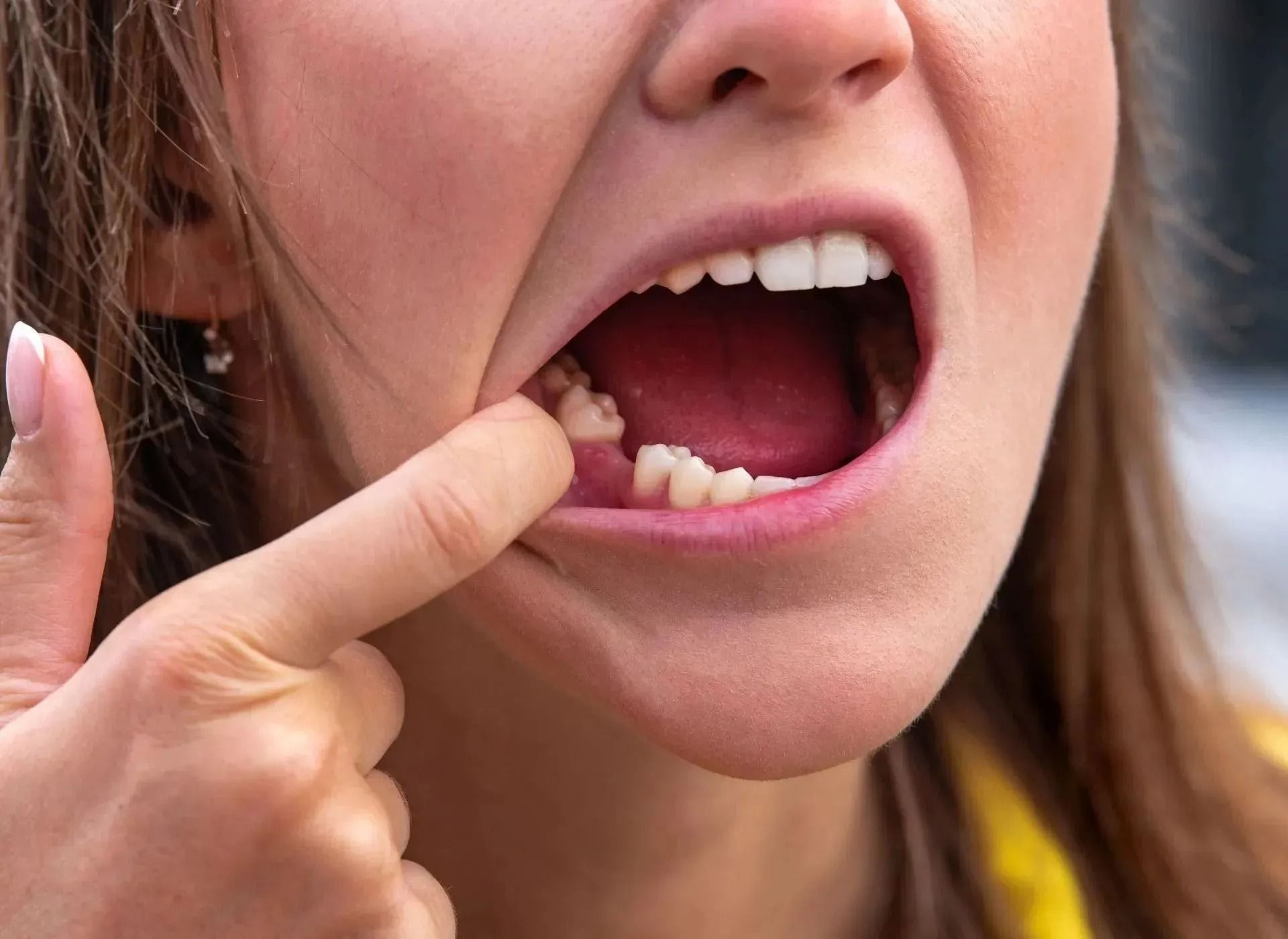
Emergency Dentist In Beaverton

Dental emergencies can happen without warning. Whether you have a toothache, a broken tooth, or a lost filling, our team is here to help. Contact our office as soon as possible so we can assess your concerns and arrange the care you need.

A white checkmark inside a solid black circle.

Care for Toothaches and Dental Pain

A white checkmark inside a solid black circle.

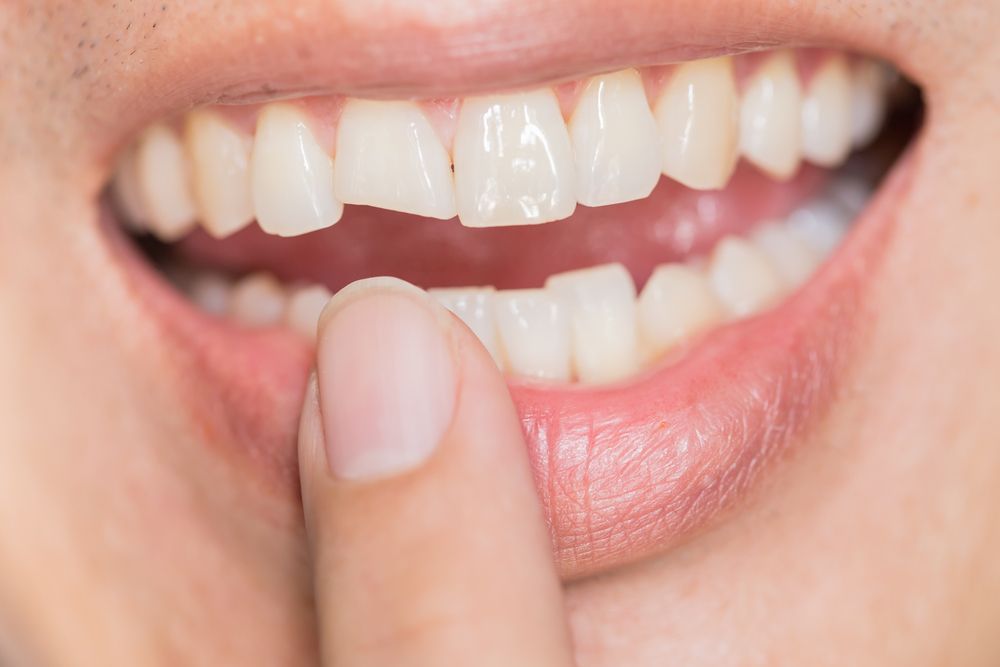
Treatment for Broken or Dislodged Teeth

A white checkmark inside a solid black circle.

Help With Lost Fillings and Crowns

A white checkmark inside a solid black circle.

Support for Dental Injuries and Infections

Book An Appointment

What We Handle

We provide emergency dental care to relieve discomfort, treat injuries, and help protect your oral health.

Call Us Now (971) 339-8751

Why Choose Barrett Family Dental For Emergency Care

Dental emergencies can be stressful. Our team provides caring support and treatment to help restore your comfort and protect your smile.

Black tooth icon with white wireless signal waves around a central square symbol

Responsive Dental Care

Contact our office so we can assess your concerns and arrange an appointment.

Black icon of three people with raised hands, symbolizing a group or community support

A Supportive Environment

We listen to your concerns and help you feel comfortable throughout your visit.

Black tooth icon with a white medical cross and upward arrow overlay

Care For Common Emergencies

We treat toothaches, broken teeth, lost restorations, and other urgent dental concerns.

Black user silhouette icon with sparkle accents on a white background

Personalized Treatment

We evaluate your condition and explain treatment options suited to your needs.

About Us

What Should You Do During A Dental Emergency?

If you experience a dental emergency, call Barrett Family Dental at (971) 339-8751. Our team can provide instructions and arrange an appointment. While waiting for care:


  • Gently clean the injured area with water.
  • Apply a cold compress outside your cheek to help reduce swelling.
  • Save any broken tooth fragments and bring them with you.
  • Keep a knocked-out permanent tooth moist in milk and seek dental care immediately.
  • Follow the instructions provided by our team.
Contact Us to Learn More

Frequently Asked Questions

  • How do I know if it's a dental emergency?

    Persistent tooth pain, swelling, bleeding, knocked-out or broken teeth, loose teeth after an injury, abscesses, or signs of infection should all be evaluated promptly. If you're unsure whether your child's situation is an emergency, contact our office and we'll help determine the next steps.

  • What should I do if a permanent tooth is knocked out?

    Handle the tooth by its crown, which is the visible chewing portion, and avoid touching the root. If dirty, rinse it gently without scrubbing. Keep the tooth moist in milk if you cannot gently return it to its socket, and seek dental care immediately. Never attempt to reinsert a knocked-out baby tooth.

  • How can I manage a toothache before my appointment?

    Gently rinse your mouth with warm water and carefully floss to remove any trapped food. If swelling is present, apply a cold compress outside your cheek. Do not place aspirin directly on your tooth or gums. Contact our office to arrange an assessment, especially if the pain is severe or persistent.

  • What should I do if a filling or crown falls out?

    Keep the crown or any loose restoration pieces in a safe container and bring them to your appointment. Avoid chewing on the affected tooth, and never use household glue to attach a crown. Contact Barrett Family Dental promptly so we can assess the tooth and discuss repair or replacement options.

  • Should I visit a dentist or an emergency room?

    A dentist usually treats toothaches, broken teeth, lost fillings, and knocked-out teeth. Go to an emergency room for uncontrolled bleeding, a suspected broken jaw, or a serious facial injury. Hospital care may help stabilize an emergency, but you may still need a dental appointment to treat the underlying tooth problem.